 (604) 484-9376
What Is a Lightning Cable? iPhone Charging Guide for Vancouver Users
Published on December 7, 2025
Learn what a Lightning cable is, how it charges iPhones, and common issues. A clear charging guide for iPhone users in Vancouver.
If you use an iPhone, chances are you’ve relied on a Lightning cable every single day. From charging your device to transferring data or connecting accessories, the Lightning cable has been a core part of the iPhone ecosystem for over a decade. However, many iPhone users in Vancouver still face confusion about how Lightning cables work, how they differ from USB-C, and when a cable issue is actually a charging port problem.
This guide is designed to give Vancouver users a clear, practical understanding of Lightning cables—what they are, how they work, common problems, and when professional help may be needed.
What Is a Lightning Cable?
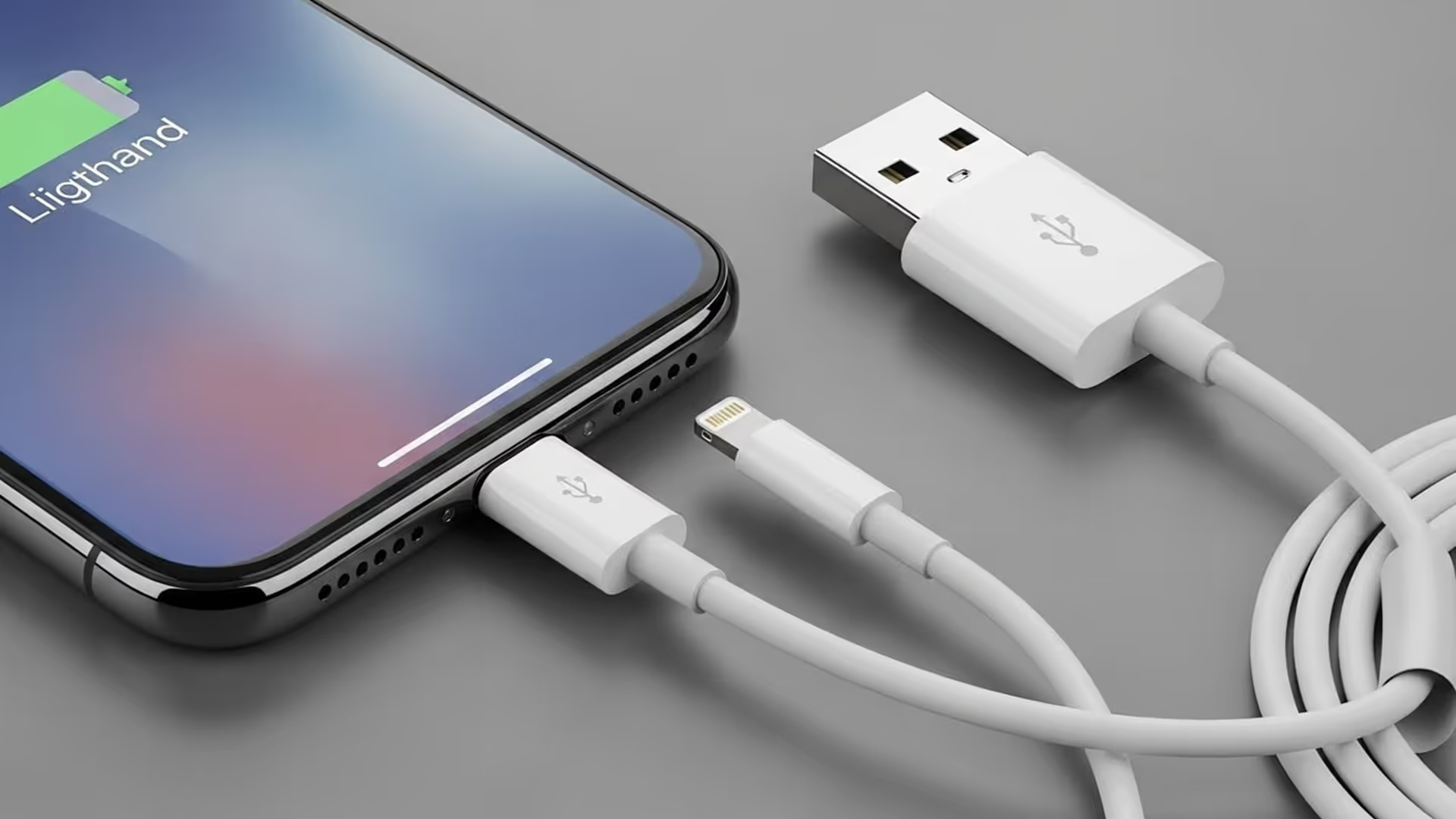
A Lightning cable is Apple’s proprietary charging and data cable introduced in 2012. It connects to iPhones, iPads, and some Apple accessories through the Lightning port. Unlike older connectors, the Lightning plug is compact, reversible, and designed for faster data transfer and reliable power delivery.
One end of the cable connects to the Lightning port on your iPhone, while the other end typically connects to a USB-A or USB-C power source, such as a wall adapter, computer, or power bank.
How a Lightning Cable Works with an iPhone
When you plug a Lightning cable into your iPhone, it performs two key functions:
- Charging – Delivers power from a wall adapter or USB port to the device battery
- Data Transfer – Allows syncing photos, videos, and files with a computer or other devices
The Lightning connector includes an authentication chip, which allows Apple to verify whether the cable meets its standards. This is why uncertified or low-quality cables often stop working or trigger warning messages on iPhones.
Lightning Cable vs USB-C: What Vancouver iPhone Users Should Know
With Apple introducing USB-C on newer models like the iPhone 15, many users are unsure which cable is better.
Lightning Cable
- Used on iPhone 5 through iPhone 14 models
- Smaller, proprietary Apple connector
- Wide accessory compatibility
- Still common across many Apple devices in use today
USB-C
- Faster charging and data speeds
- Universal standard used by many brands
- Required on newer iPhone models
If you’re still using an iPhone with a Lightning port, switching cables won’t help unless the phone itself supports USB-C.
Common Lightning Cable Problems
Many charging issues reported by iPhone users in Vancouver are not caused by the phone itself but by worn or damaged cables.
Frequent issues include:
- Frayed or exposed wires near the connector
- Loose connection that only charges at certain angles
- Slow charging or intermittent power
- “Accessory not supported” error messages
- Cable stops working entirely after a few months
Cold weather, frequent bending, and using low-quality third-party cables can shorten the lifespan of a Lightning cable.
Cable or Charging Port: How to Tell the Difference
A common mistake is replacing cables repeatedly when the real issue lies with the charging port.
It’s likely a cable issue if:
- The cable doesn’t charge other iPhones
- Visible damage is present
- Charging works with a different cable
It may be a charging port issue if:
- Multiple cables fail to charge the phone
- Charging is inconsistent even with new cables
- The connector feels loose
- Lint or debris is stuck inside the port
In such cases, professional iPhone Repair Vancouver services can properly diagnose the issue before further damage occurs.
How Long Does a Lightning Cable Last?
On average, a quality Lightning cable lasts 6 to 18 months, depending on usage habits. Constant bending, pulling the cable from the cord instead of the plug, and charging while using the phone all contribute to early wear.
Using certified cables and avoiding extreme temperature exposure can extend cable life.
Are Apple-Certified Lightning Cables Worth It?
Yes. Apple-certified (MFi) Lightning cables are tested to meet Apple’s safety and performance standards. While they may cost slightly more, they:
- Charge more reliably
- Reduce risk of port damage
- Last longer than cheap alternatives
- Avoid compatibility errors
Cheap cables may work temporarily but can lead to overheating, battery issues, or charging port damage.
Lightning Cable Issues Faced by Vancouver Users
Many iPhone users in Vancouver experience cable and charging issues due to:
- Moisture exposure from rain or snow
- Pocket lint buildup
- Frequent commuting and portable charging
- Cold temperatures affecting cable flexibility
If charging problems persist, it’s often safer to have the phone inspected by a trusted iPhone Repair Vancouver provider rather than continuing to test different cables.
When to Seek Professional iPhone Repair
If your iPhone still won’t charge after replacing the cable, the issue may be internal. Charging port damage, corrosion, or logic board issues require professional tools and expertise.
Cellfixx provides reliable diagnostics and repair solutions for charging-related problems. Instead of guessing, professional inspection can save time and prevent further damage.
Tips to Make Your Lightning Cable Last Longer
- Always unplug by holding the connector, not the cable
- Avoid charging while gaming or streaming
- Keep the charging port clean
- Don’t bend the cable sharply near the ends
- Use certified charging accessories
These habits can significantly reduce charging issues over time.
FAQs
What is a Lightning cable used for?
A Lightning cable is used to charge iPhones, transfer data, and connect accessories like headphones and adapters.
Are Lightning cables still relevant?
Yes. Millions of iPhones in use still rely on Lightning cables, and they remain fully supported.
Why does my Lightning cable stop working suddenly?
This often happens due to internal wire damage or failed authentication chips in low-quality cables.
Can a bad Lightning cable damage my iPhone?
Yes. Poor-quality cables can overheat, damage the charging port, or affect battery health.
How do I know if my charging port needs repair?
If multiple cables don’t work, charging is inconsistent, or the connector feels loose, port repair may be required.
Final Thoughts
Understanding how Lightning cables work helps iPhone users make better decisions about charging accessories and repairs. While replacing a cable can fix many issues, persistent problems often require professional inspection.
If you’re dealing with ongoing charging issues, trusted iPhone Repair Vancouver services can identify whether the problem is the cable, port, or internal components. Cellfixx offers practical repair solutions designed to keep your iPhone working reliably.
Published by CellFixx Vancouver
December 7, 2025